




Project
Fairmont Hanoi
Project Type
Hotel
Operator
Accor
Project Manager & QS
Design Architect
Perkins Eastman
Local Architect
Interior Designer
Aston Design
Structural Consultant
Mep Consultant
Lighting Consultant
Landscape Consultant
Procurement Consultant
Food Services Consultant
A City Defined by Craft and Exchange
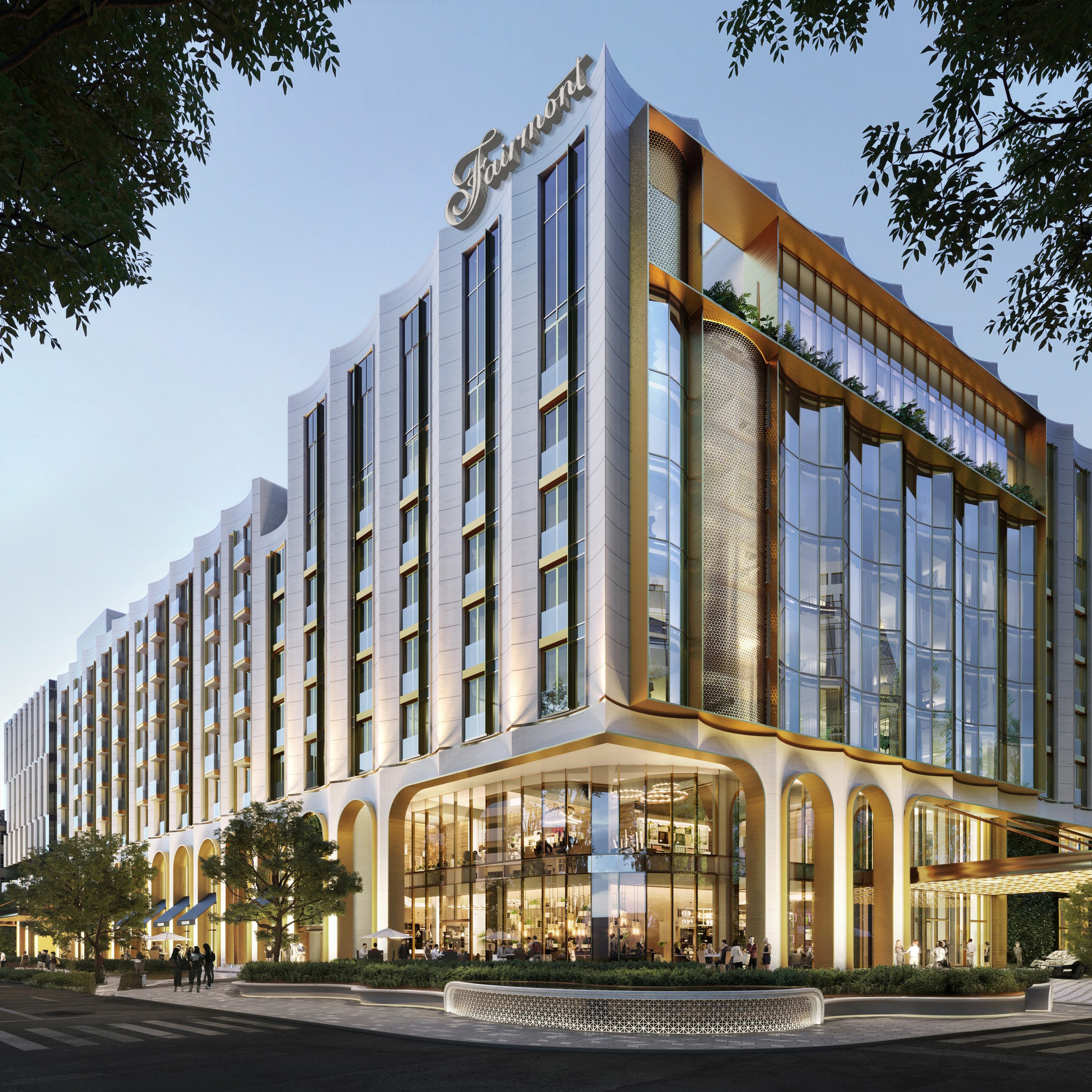
Hanoi has evolved through centuries of movement — of materials, people, and ideas. From the Red River Delta to the Old Quarter, the city developed as a network of specialised craft streets, where each trade defined both economy and identity. Fairmont Hanoi builds on this foundation, positioning the hotel as a continuation of this layered urban narrative, where heritage is not preserved as an artifact, but reinterpreted as experience.
A contemporary interpretation of Hanoi’s layered identity, shaped by trade, culture, and everyday life.
Unraveling the Hidden Guilds
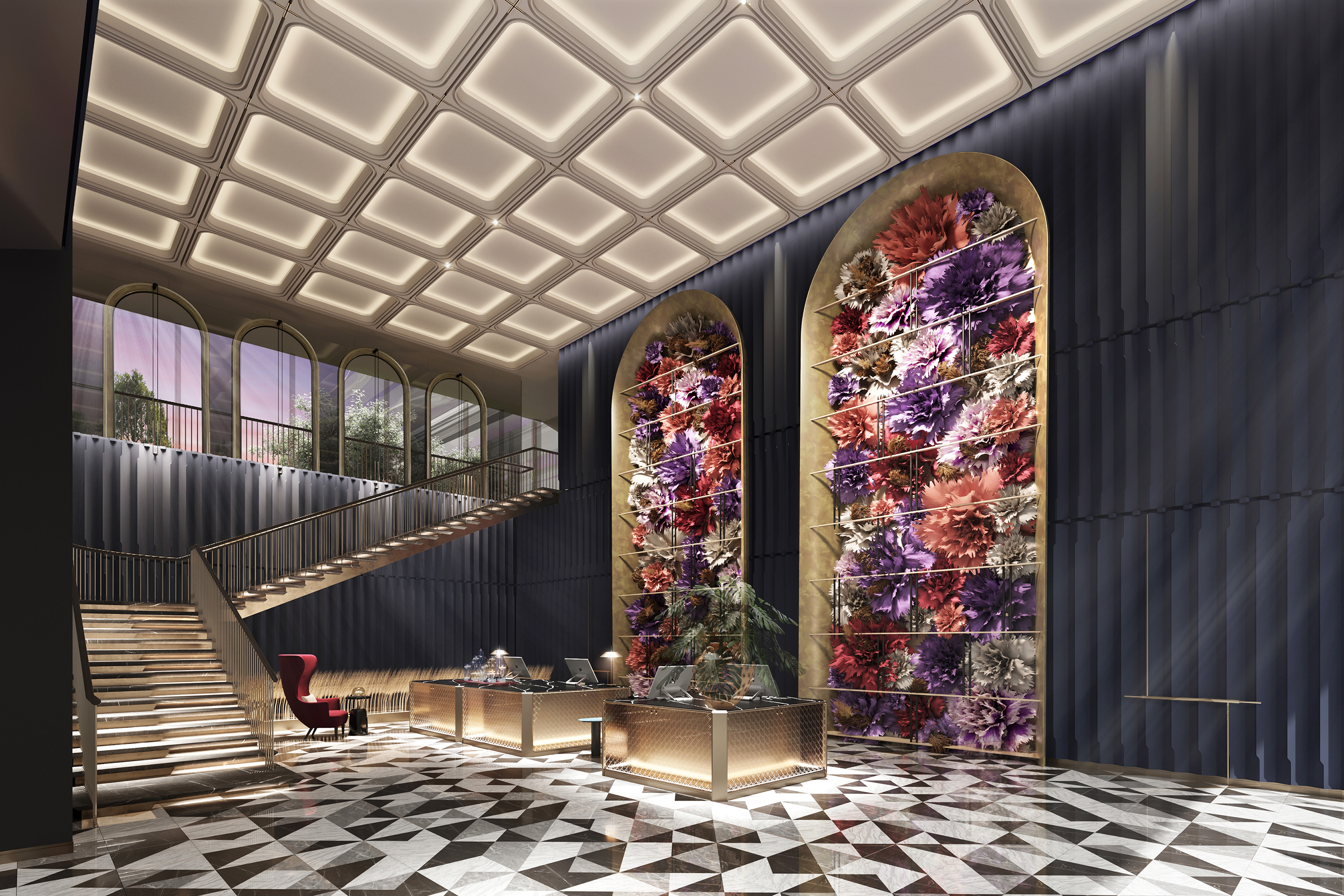
The design is guided by the concept of “Unraveling the Hidden Guilds”, translating the invisible structure of Hanoi’s craft culture into spatial experience. Rather than replicating tradition, the project extracts its essence — allowing each space to express a layer of the city’s identity. The hotel becomes a journey, where guests move through atmospheres that subtly reveal Hanoi’s character through material, light, and composition.
A narrative that reveals the artisans, materials, and cultural fragments embedded within Hanoi.
Material Language: Craft as Structure
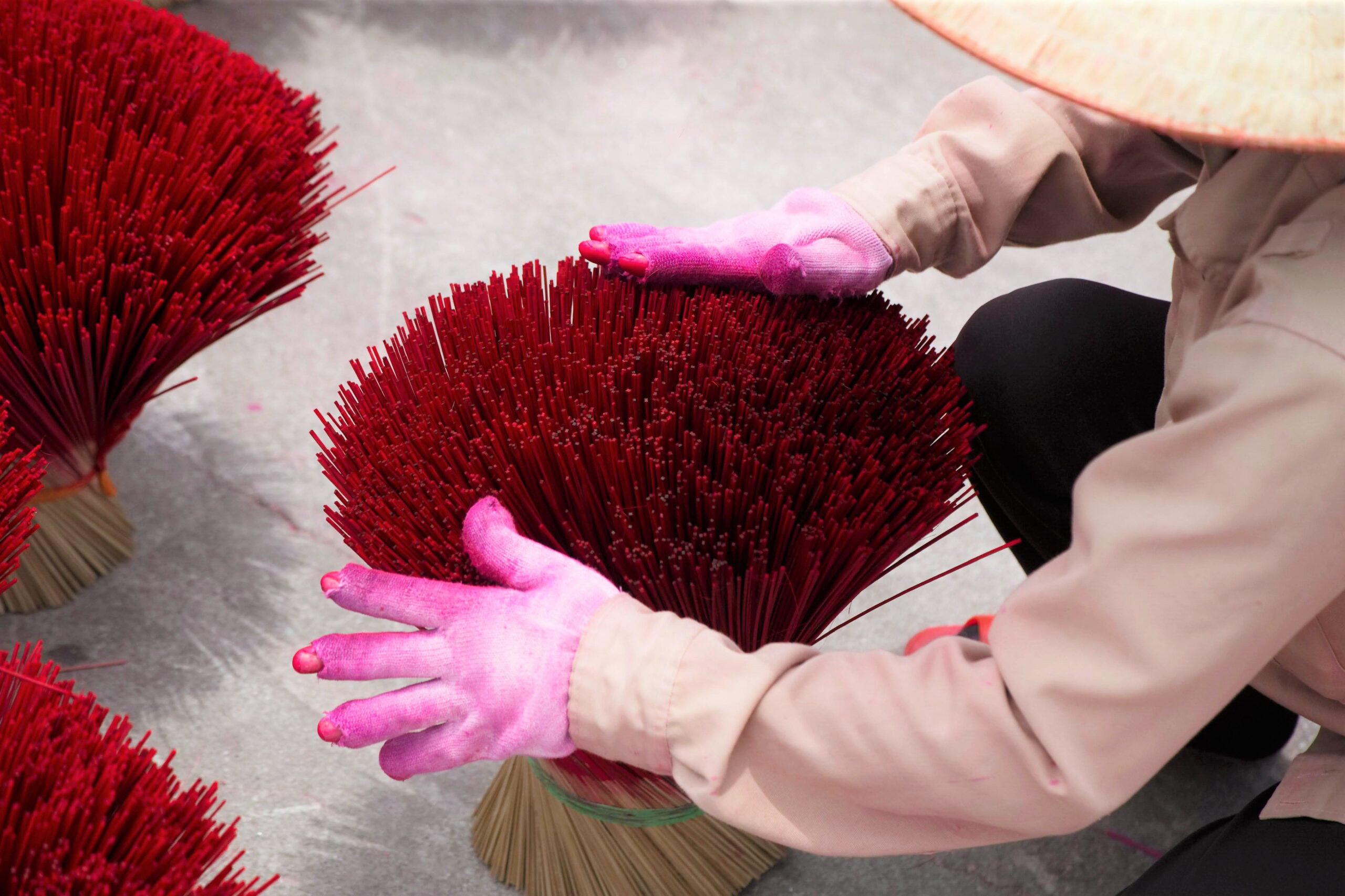
Materiality is central to the project, drawing from Hanoi’s craft traditions — wood, lacquer, metal, and textile. These are not used as decoration, but embedded into the architecture and detailing. Through careful refinement, traditional techniques are translated into precise, contemporary applications that meet the expectations of luxury hospitality while retaining depth and authenticity.
Traditional materials are reinterpreted as contemporary architectural elements.

The Colour of Hanoi
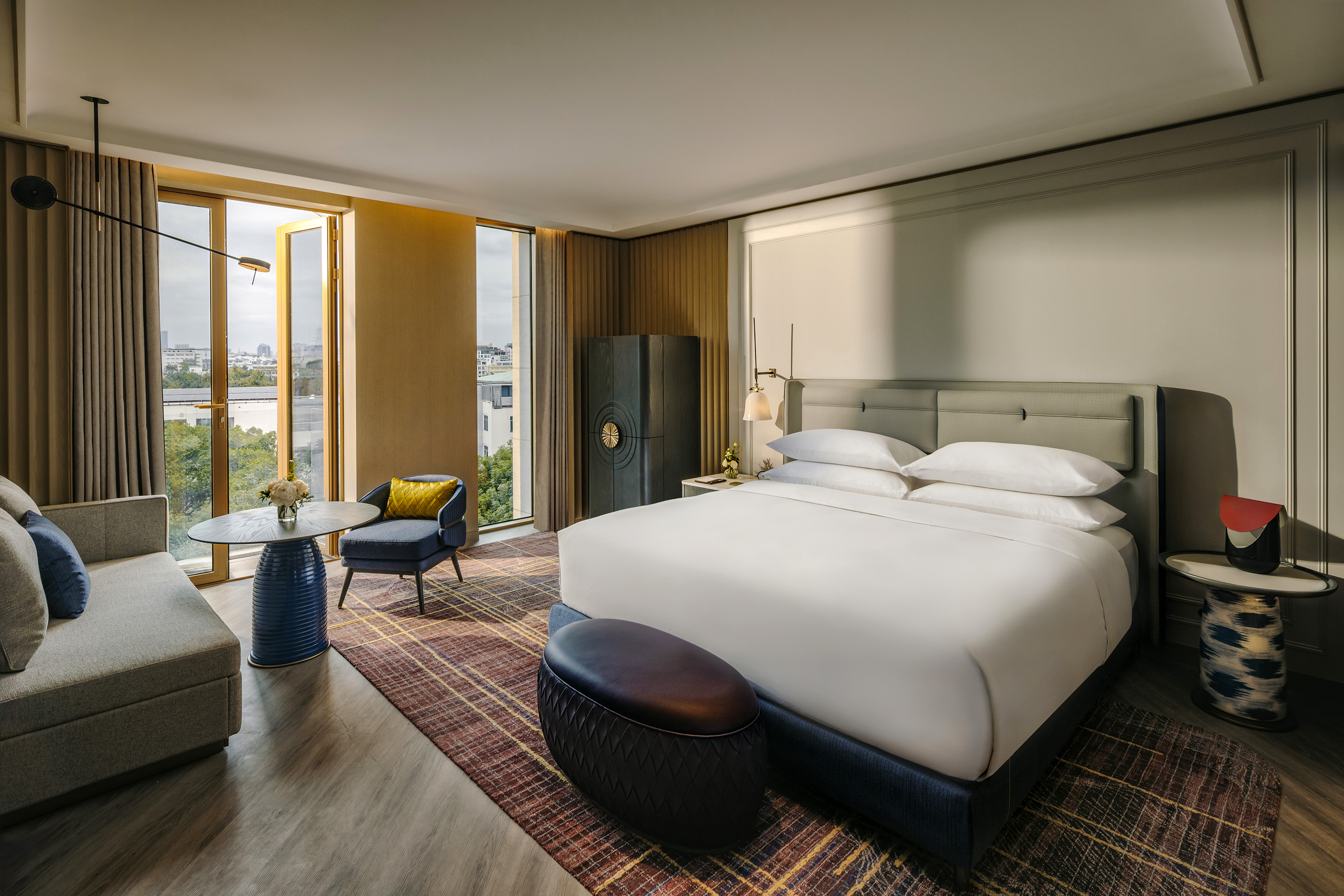
A deep garnet tone, inspired by the Red River’s iron-rich sediment, becomes a defining element of the interiors. This colour reflects lacquerware, textiles, and everyday materials found across Hanoi. Combined with neutral tones and natural finishes, it creates an environment that feels grounded, warm, and culturally connected without becoming literal.
A palette drawn from the Red River and the material culture of the city.


East Meets West
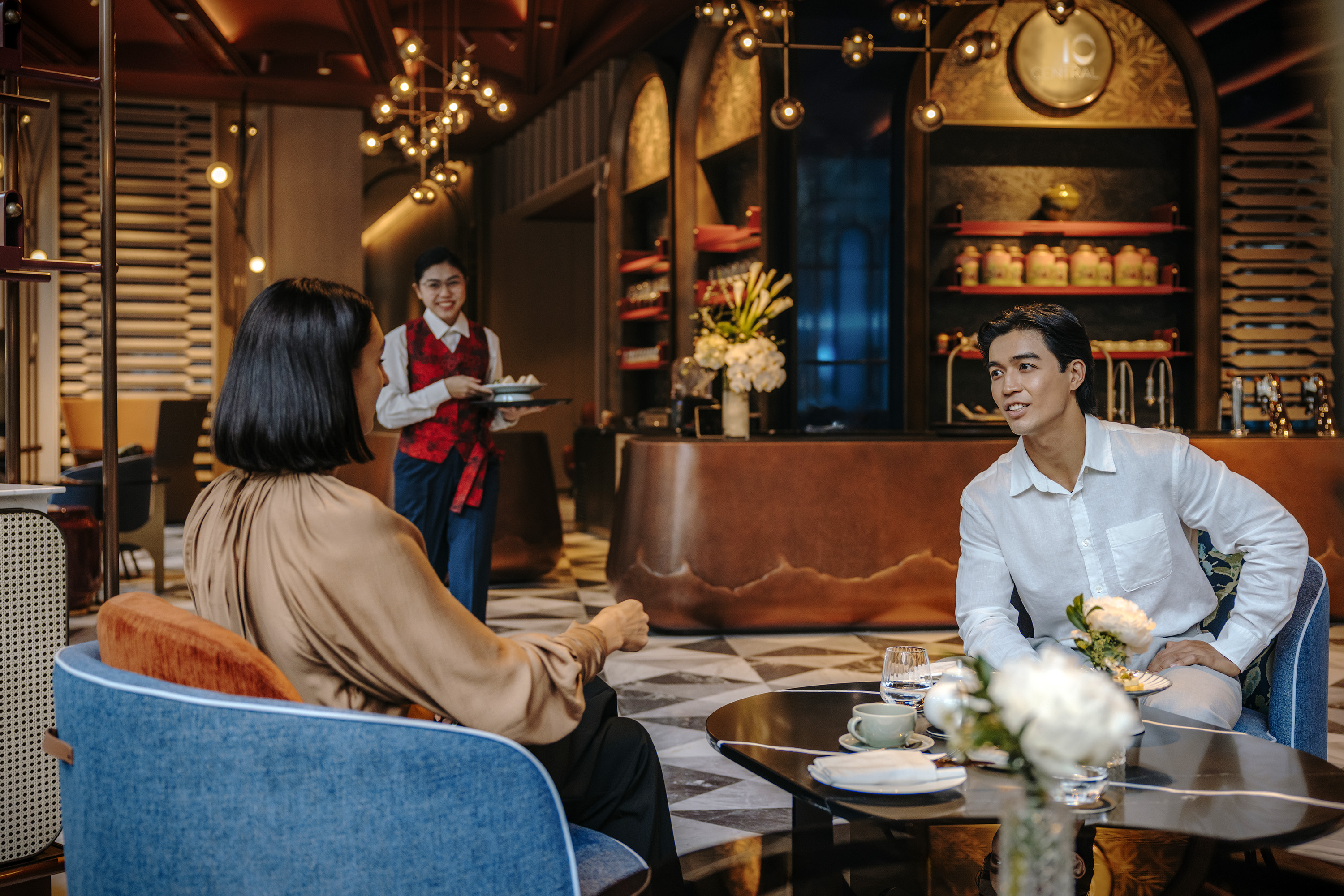
Hanoi’s identity is shaped by the coexistence of Eastern and Western influences. This duality is reflected in the design through proportion, symmetry, and material contrast. Structured architectural compositions are softened with tactile materials and crafted details, creating spaces that feel refined yet approachable — international in quality, but rooted in place.
A balanced dialogue between Vietnamese tradition and French colonial influence.
Spaces Inspired by Craft
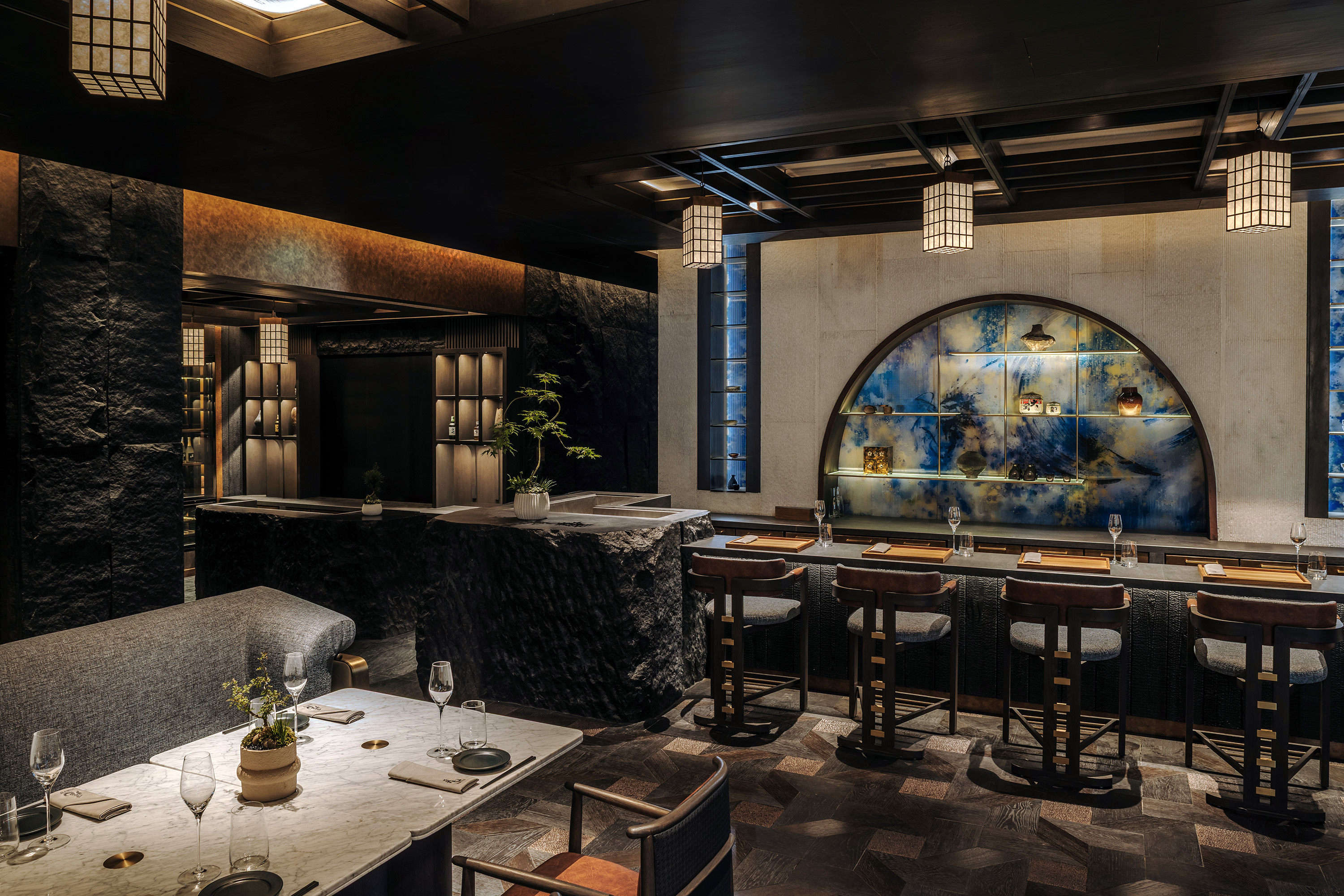
The hotel’s spaces are conceptually linked to different forms of craftsmanship, translating the logic of making into spatial design. Layering, rhythm, and detail inform lighting, surfaces, and furniture, creating environments that feel composed and intentional. This approach ensures variety across spaces while maintaining a cohesive identity.
Each space reflects the process, precision, and layering of traditional making.

Rituals of Daily Life
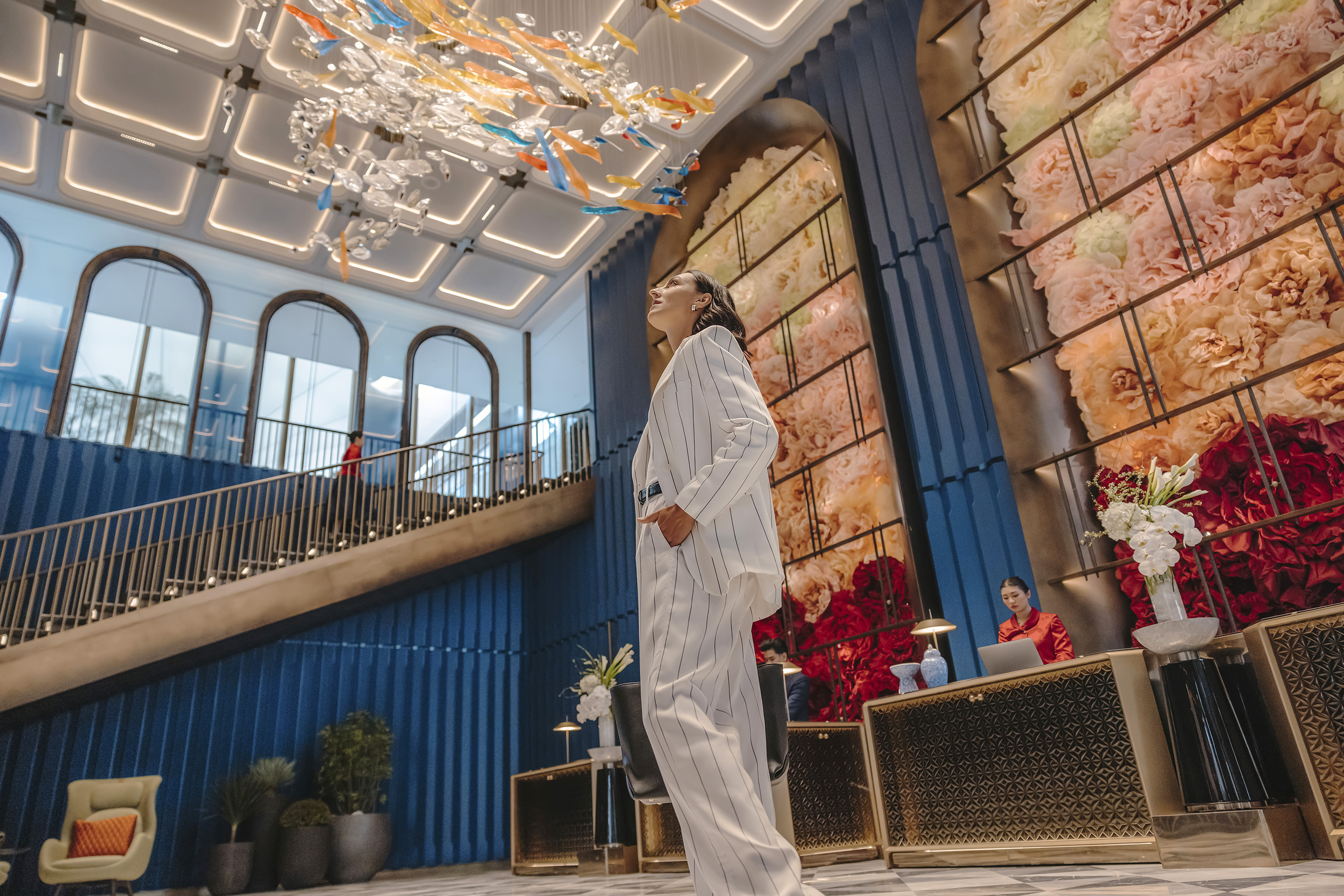
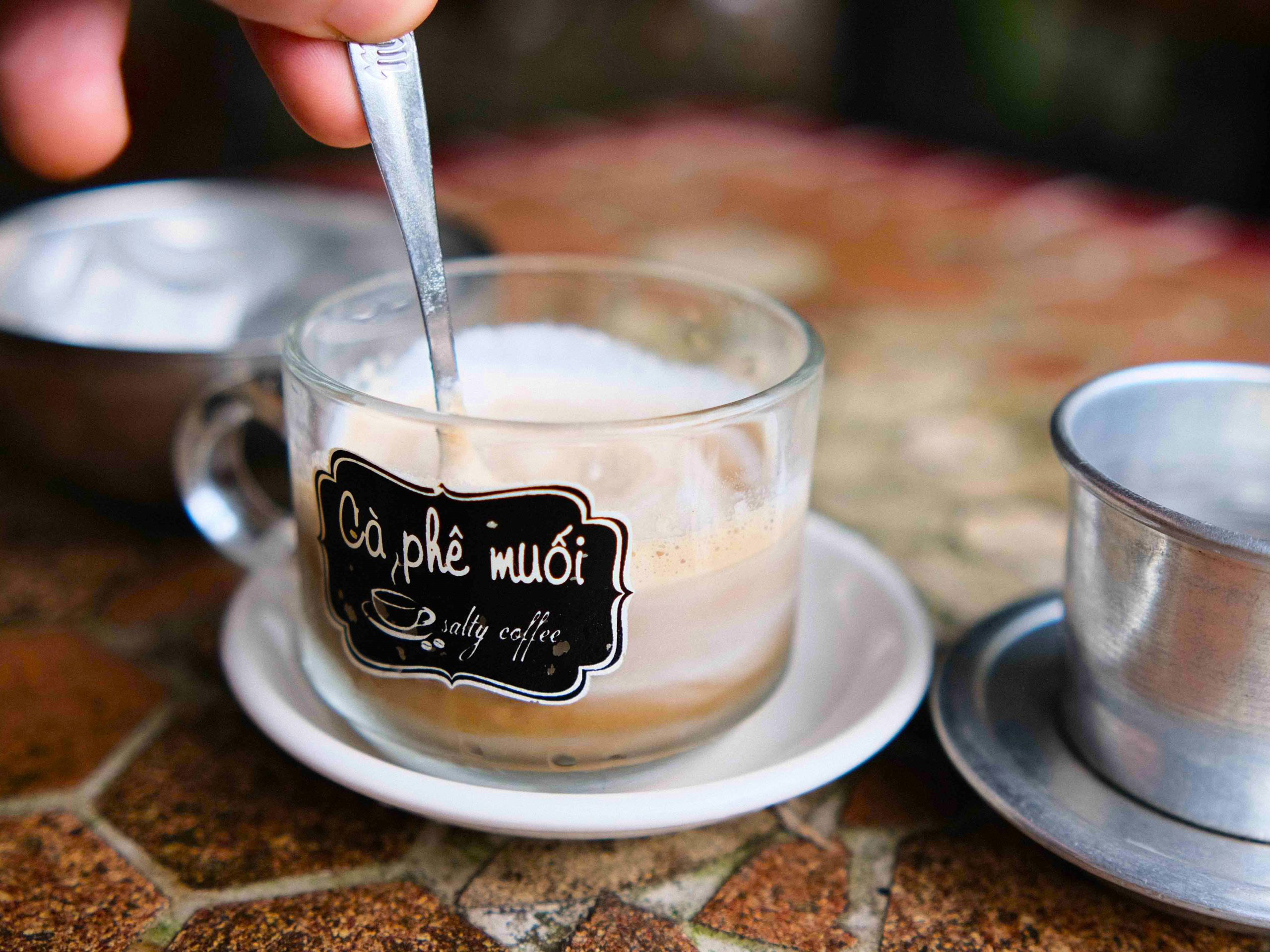
In Hanoi, culture is expressed through everyday rituals — coffee, food, and social interaction. These moments inform the design of the hotel’s public spaces, particularly within its café and lounge environments. Spaces are designed to encourage gathering, pause, and engagement, reflecting the informal yet vibrant character of the city.
Hospitality spaces shaped by the social and cultural rhythms of Hanoi.
A Contemporary Cultural Landmark
Fairmont Hanoi represents a new generation of hospitality design in Vietnam — one that is rooted in cultural depth while expressed through contemporary clarity. The project does not replicate tradition, but transforms it into a refined, immersive experience, creating a destination that feels both timeless and current.
A hotel that translates heritage into a globally relevant design language.


Aston Design’s interior design studio primarily focuses on the hospitality industry with specialist disciplines in the commercial, wellness and residential sectors.
Ali Nick
,
Global
David Edwards
,
Singapore
Ganesh Madasamy
,
Singapore
Yann Luh Hon
,
Singapore
Edmund Kok
,
Shanghai
Peter Dell’Uva
,
Stockholm
Tove Lundgren
,
Stockholm
